Salonenque
A gentle, fruity character with a smooth texture.
Protected Designation of Origin · Since 2000
Vallée des Baux-de-Provence PDO olive oil.
The connection between the fruit, the land and the people who tend it.
Understanding the PDO
Protected Designation of Origin is an official European quality designation. It recognises the connection between a product’s characteristics, its natural environment and local expertise. Production takes place within a defined geographical area, following a shared set of rules.
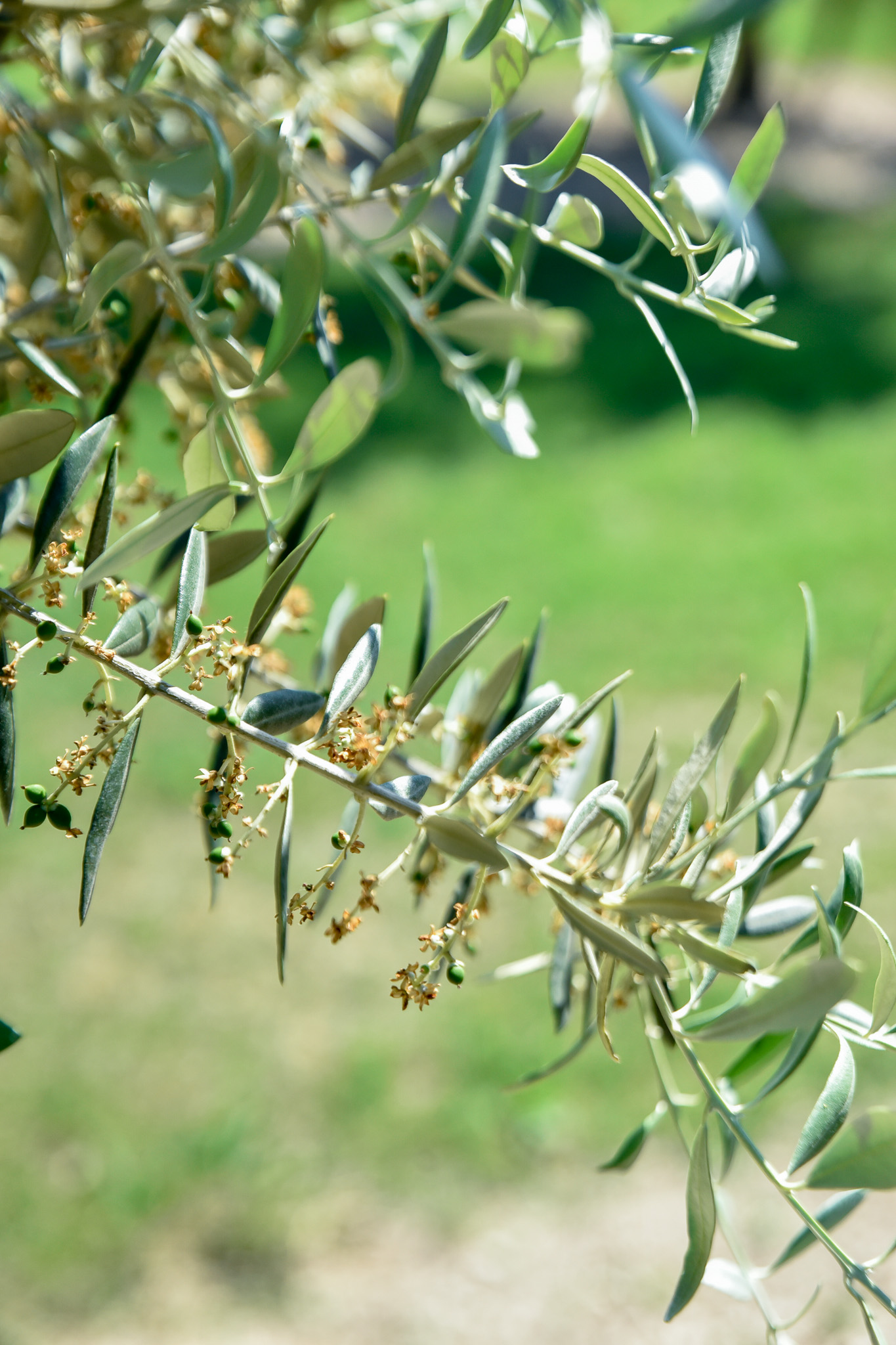
For Vallée des Baux-de-Provence olive oil, this identity is rooted in the Alpilles: olive groves on predominantly limestone and stony soils, in a Mediterranean climate. The designation has held European protection since June 2000.
The art of blending
The PDO requires a blend of at least two of the four principal olive varieties. Each contributes to the oil’s identity.
A gentle, fruity character with a smooth texture.
Also known as Béruguette, it brings pungency: the peppery sensation on the palate.
Gentle flavours and an aromatic profile that can evoke grapefruit.
Verdale des Bouches-du-Rhône brings herbaceous and green apple notes.
These descriptions refer to the varieties used within the designation; they are not a detailed blend specification for any particular Terre de Laudun harvest. Discover the varieties and traditions ↗
A protected designation
The origin of the olives and the stages of production link the oil to its geographical area.
Olive varieties, grove management, harvesting, storage and extraction must meet the requirements set out for the designation.
Checks assess compliance with the rules and the characteristics of the product, including sensory evaluation through tasting.
On the palate
Milling soon after harvest encourages fresh vegetal notes: grass, apple or raw artichoke, with moderate bitterness and pungency.
The term “olives maturées” describes a different profile, produced by storing the olives before milling: notes reminiscent of preserved olives, black olives or cocoa. These styles reflect the diversity of the designation.
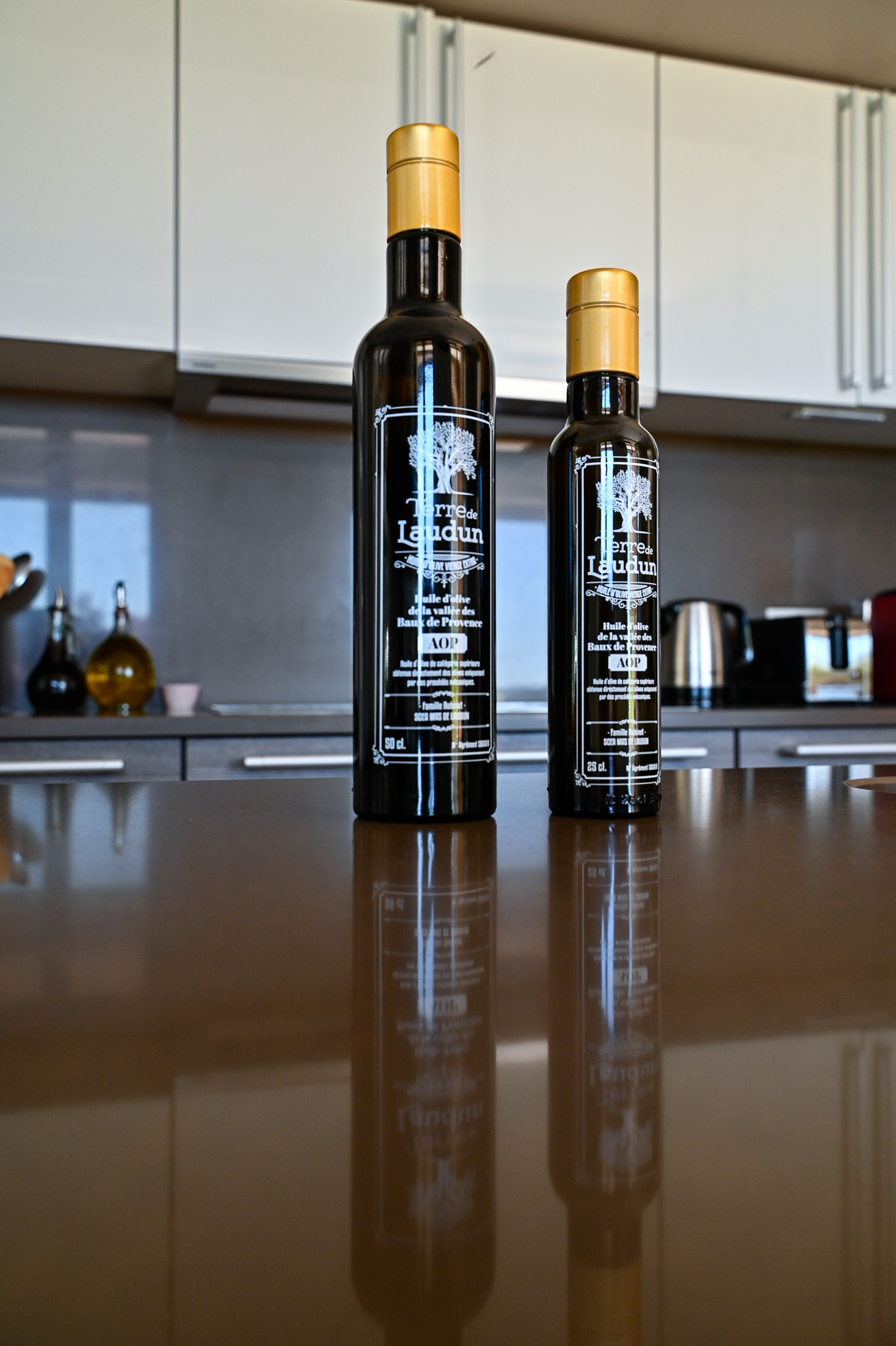
Terre de Laudun · The Robinet family
At Mas de Laudun, this sense of origin takes shape on a family estate of 5,000 olive trees. Our cold-extracted extra virgin olive oil offers delicate fruitiness, fresh almond notes and an herbaceous character.
An invitation to bring the Alpilles to your table, with the distinctive character of Terre de Laudun.
Discover our olive oilExplore further
General information about the designation is drawn from INAO and the Les Baux-de-Provence Tourist Office. Reference texts and the product specification can be found on the official designation page. The European PDO logo identifies the Protected Designation of Origin; the Huiles & Olives des Baux-de-Provence logo represents our local designation. Visit the designation’s producers’ association. You can also read France Olive’s guide to origin designations.